Top 5 Term Life Insurance Policies for US Families
Compare the best term life insurance policies in the US, focusing on affordability and coverage options for families.
Compare the best term life insurance policies in the US, focusing on affordability and coverage options for families.
Top 5 Term Life Insurance Policies for US Families
Understanding Term Life Insurance What Every US Family Needs to Know
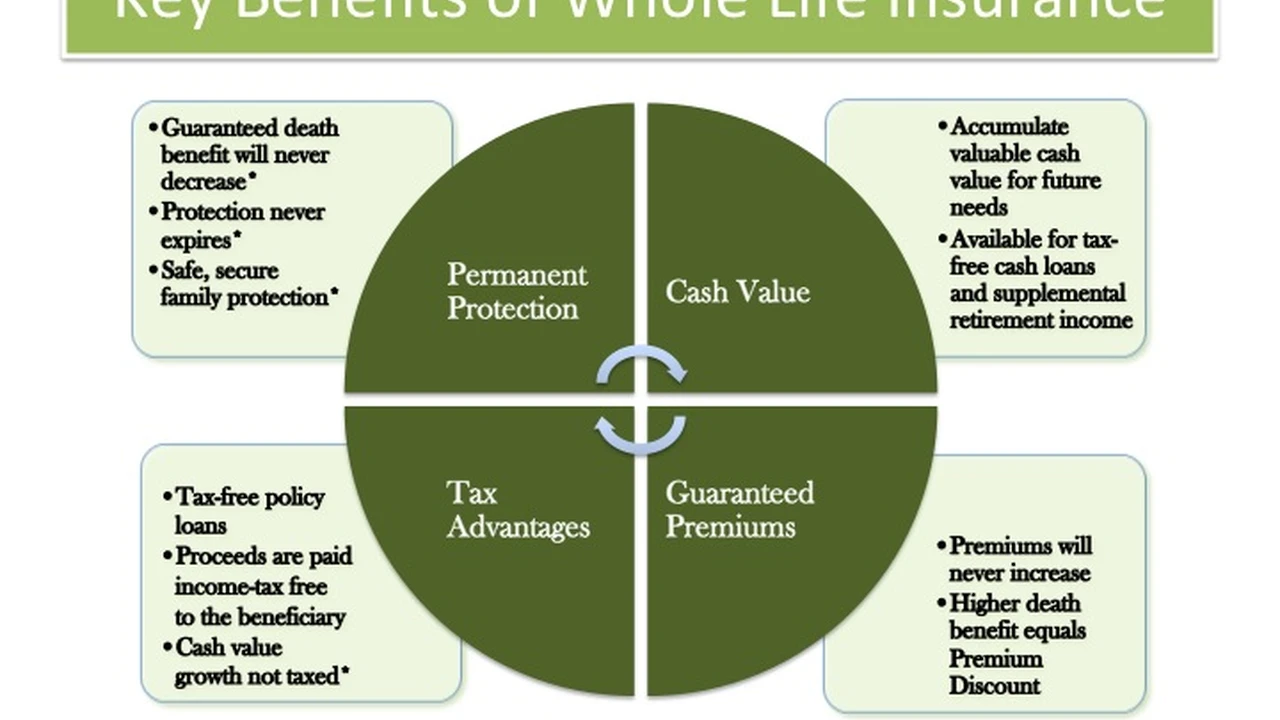
Hey there! If you're a family in the US, you've probably heard about life insurance, and term life insurance is often the first type that comes to mind. It's pretty straightforward: you pay premiums for a set period, say 10, 20, or 30 years, and if you pass away during that term, your beneficiaries get a lump sum of money. Simple, right? This money can be a lifesaver for your family, covering everything from mortgage payments and daily expenses to college tuition and outstanding debts. It's all about providing a financial safety net when they need it most. Unlike whole life insurance, term life doesn't build cash value, which is why it's generally more affordable. This makes it a fantastic option for families on a budget who want maximum coverage for a specific period, like when their kids are growing up or while they're paying off a mortgage. We're going to dive deep into some of the best options out there, looking at what makes them stand out and who they're best for.
Why Term Life Insurance is Essential for US Families Protecting Your Loved Ones
Let's be real, nobody likes to think about the worst-case scenario, but being prepared is key, especially when you have a family relying on you. Imagine if something unexpected happened to you. Would your family be able to maintain their current lifestyle? Could they pay the bills, keep the house, and afford future education? That's where term life insurance steps in. It's not just about replacing your income; it's about preserving your family's financial future and giving them peace of mind during an incredibly difficult time. For many US families, the biggest financial obligations are often tied to specific timeframes – raising children, paying off a 30-year mortgage, or saving for college. Term life insurance aligns perfectly with these needs, offering substantial coverage for the years when your family's financial vulnerability is highest. It's a cost-effective way to ensure that your dreams for your family don't disappear if you do.
Key Factors to Consider When Choosing Term Life Insurance for Your Family
Before we jump into specific policies, let's talk about what you should be looking for. Choosing the right term life insurance isn't a one-size-fits-all situation. Here are some crucial factors:
Coverage Amount How Much Life Insurance Do You Really Need
This is probably the biggest question. A common rule of thumb is 10-15 times your annual income, but it really depends on your specific situation. Think about your outstanding debts (mortgage, car loans, credit cards), future expenses (college, retirement for your spouse), and daily living costs. Don't forget about potential funeral expenses, which can be significant. A good way to estimate is to use the DIME method: Debt, Income, Mortgage, Education. Add up all your debts, multiply your income by the number of years you want coverage, add your mortgage balance, and estimate future education costs. This will give you a solid starting point.
Policy Term Length Matching Coverage to Your Family's Needs
How long do you need coverage? Common terms are 10, 15, 20, or 30 years. If you have young children, a 20 or 30-year term might make sense to cover them until they're financially independent. If your mortgage has 15 years left, a 15-year term could be ideal. Align the term with your longest financial obligations.
Affordability and Premiums Finding the Best Rates
Term life insurance is known for its affordability, but premiums can still vary widely based on your age, health, lifestyle, and the insurer. Get quotes from multiple companies to compare. Don't just look at the lowest price; consider the company's reputation and financial strength too.
Riders and Customization Enhancing Your Policy
Many policies offer riders that can add extra benefits. Common ones include a waiver of premium (if you become disabled, premiums are waived), accelerated death benefit (allows you to access a portion of the death benefit if you're terminally ill), and child riders (provides a small death benefit for your children). Think about what additional protections might be valuable for your family.
Company Reputation and Financial Strength Choosing a Reliable Insurer
This is super important. You want an insurer that will be around to pay out when your family needs it most. Look for companies with high ratings from agencies like AM Best, Standard & Poor's, and Moody's. Customer service reviews can also give you a good idea of their reliability.
Top 5 Term Life Insurance Policies for US Families A Detailed Comparison
Alright, let's get to the good stuff! Here are five top-notch term life insurance policies that consistently rank high for US families, along with their unique selling points, ideal use cases, and a general idea of pricing.
1. Haven Life Best for Online Convenience and Speed
Haven Life, backed by MassMutual, has revolutionized the life insurance buying process with its fully online application. If you're healthy and tech-savvy, you can get a quote, apply, and even get approved for coverage in minutes without a medical exam for many applicants. This speed and convenience are a huge draw for busy families.
* **Key Features:** Streamlined online application, instant decisions for eligible applicants, no medical exam for many, competitive pricing, policies issued by MassMutual (a highly-rated insurer).
* **Ideal Use Case:** Young, healthy families who want a quick and easy way to get substantial term life coverage without the hassle of traditional applications. Perfect for those who appreciate digital-first services.
* **Coverage & Terms:** Offers terms from 10 to 30 years, with coverage amounts typically ranging from $100,000 to $3 million.
* **Pricing Example (Illustrative):** A healthy 35-year-old non-smoking male might pay around $25-$35 per month for a $500,000, 20-year term policy. A healthy 35-year-old non-smoking female might pay around $20-$30 per month for the same coverage. Prices vary significantly based on individual health, age, and specific underwriting.
* **Pros:** Extremely fast application process, strong financial backing, competitive rates, user-friendly platform.
* **Cons:** Not ideal for those with significant health issues who might benefit from a more personalized underwriting approach; limited rider options compared to some traditional insurers.
2. Policygenius Best for Comparing Multiple Quotes
Policygenius isn't an insurer itself, but an independent online broker that allows you to compare quotes from dozens of top-rated life insurance companies all in one place. This means you can easily find the best rates and policies tailored to your family's specific needs without visiting multiple websites. They also have licensed agents available to help you navigate the options.
* **Key Features:** Access to quotes from numerous insurers (e.g., Transamerica, Protective, Pacific Life, Brighthouse Financial), personalized recommendations, expert advice from licensed agents, comprehensive comparison tools.
* **Ideal Use Case:** Families who want to ensure they're getting the absolute best rate and policy for their situation by comparing a wide range of options. Great for those who appreciate guidance but want to do their own research.
* **Coverage & Terms:** Varies widely as they work with many insurers, offering terms from 10 to 40 years and coverage from $50,000 to $10 million+.
* **Pricing Example (Illustrative):** Since Policygenius provides quotes from many carriers, pricing will vary. However, their platform helps you find the most competitive rates. For a healthy 40-year-old non-smoking couple seeking $750,000 in 25-year term coverage, they might find options ranging from $40-$60 per month per person, depending on the insurer and specific health profile.
* **Pros:** Unbiased comparisons, wide selection of carriers, expert guidance, saves time and effort.
* **Cons:** The application process can still involve traditional underwriting (medical exams) depending on the chosen insurer; not a direct insurer, so you're dealing with a third party.
3. Protective Life Best for Long Term Coverage and Affordability
Protective Life is a well-established insurer known for its competitive rates, especially for longer-term policies (like 30 or 40 years). They offer a solid range of term life products and are often a go-to for families looking for reliable, long-lasting coverage at an affordable price point.
* **Key Features:** Very competitive pricing for longer terms, strong financial ratings, flexible policy options, good customer service reputation.
* **Ideal Use Case:** Families who need extended coverage, perhaps to cover a long mortgage or to ensure children are protected well into adulthood. Also a great choice for those seeking maximum coverage for their dollar.
* **Coverage & Terms:** Offers terms from 10 to 40 years, with coverage amounts typically from $100,000 to $50 million+.
* **Pricing Example (Illustrative):** A healthy 30-year-old non-smoking male might pay around $30-$40 per month for a $750,000, 30-year term policy. A healthy 30-year-old non-smoking female might pay around $25-$35 per month for the same coverage. Protective is often very competitive for these longer terms.
* **Pros:** Excellent rates for long-term policies, financially stable company, good range of riders available.
* **Cons:** Application process is more traditional and may require a medical exam; not as digitally streamlined as Haven Life.
4. Transamerica Best for High Coverage Amounts and Diverse Needs
Transamerica is a household name in the insurance world, offering a wide array of financial products, including robust term life insurance. They are known for their flexibility and ability to provide high coverage amounts, making them suitable for families with significant financial responsibilities or complex needs.
* **Key Features:** High coverage limits available, strong financial stability, various rider options (e.g., chronic illness, critical illness), good for those with slightly more complex health profiles.
* **Ideal Use Case:** Families with high net worth, significant income replacement needs, or those who might have minor health conditions that other insurers might rate higher. Also good for those who want comprehensive rider options.
* **Coverage & Terms:** Offers terms from 10 to 30 years, with coverage amounts often starting at $25,000 and going up to $10 million+.
* **Pricing Example (Illustrative):** For a healthy 45-year-old non-smoking male seeking $1,000,000 in 20-year term coverage, premiums could range from $70-$100 per month. For a healthy 45-year-old non-smoking female, it might be $60-$90 per month. Transamerica's rates are competitive, especially for higher face amounts.
* **Pros:** High coverage availability, strong brand recognition, good for a variety of health classes, comprehensive rider selection.
* **Cons:** Application process is traditional and can be lengthy; not always the cheapest option for standard health classes compared to some competitors.
5. Pacific Life Best for Strong Financials and Customer Satisfaction
Pacific Life is another highly-rated insurer with a long history of financial strength and excellent customer service. While they might not always be the absolute cheapest, their reliability and strong reputation make them a top choice for families who prioritize peace of mind and a company they can trust for decades.
* **Key Features:** Exceptional financial strength ratings, strong customer satisfaction, competitive rates for various health classes, good range of term products.
* **Ideal Use Case:** Families who value a highly stable and reputable insurer above all else. Great for those who want a company with a proven track record and excellent support.
* **Coverage & Terms:** Offers terms from 10 to 30 years, with coverage amounts typically from $100,000 to $10 million+.
* **Pricing Example (Illustrative):** A healthy 38-year-old non-smoking male might pay around $35-$45 per month for a $600,000, 20-year term policy. A healthy 38-year-old non-smoking female might pay around $30-$40 per month for the same coverage. Pacific Life is often very competitive for preferred health ratings.
* **Pros:** Top-tier financial ratings, excellent customer service, reliable and trustworthy, good for a wide range of applicants.
* **Cons:** Application process is traditional; may not always be the absolute lowest price compared to some newer, online-only providers.
Comparing Specific Scenarios Who Benefits Most From Each Policy
Let's break down some common family scenarios and see which policy might be the best fit:
Scenario 1 Young Family with New Mortgage and Kids
* **Family Profile:** Parents in their early 30s, two young children, recently bought a house with a 30-year mortgage. Budget-conscious but need substantial coverage.
* **Best Fit:** **Protective Life** or **Haven Life**. Protective often offers the most competitive rates for longer terms (like 30 years), which aligns perfectly with a new mortgage. Haven Life is great if they're healthy and want to get coverage quickly and easily online, freeing up time for family.
* **Why:** Both offer strong coverage at affordable rates. Protective excels for the long term, while Haven Life offers unparalleled convenience for healthy individuals.
Scenario 2 Established Family with College-Bound Teens
* **Family Profile:** Parents in their late 40s, two teenagers heading to college soon, significant income to protect, and want to ensure college funds are secure.
* **Best Fit:** **Transamerica** or **Policygenius**. Transamerica can provide high coverage amounts needed to secure college funds and replace substantial income. Policygenius allows them to compare various carriers to find the best rate for a larger policy, potentially including options with critical illness riders.
* **Why:** High coverage needs are met by Transamerica's offerings, and Policygenius ensures they get the best value for that high coverage.
Scenario 3 Single Parent with One Child
* **Family Profile:** Single parent in their late 30s, one child, needs to ensure their child is financially secure if anything happens, potentially with some health considerations.
* **Best Fit:** **Policygenius** or **Pacific Life**. Policygenius can help them navigate different insurers to find the best option, especially if there are minor health concerns. Pacific Life offers strong financial backing and good customer service, which can be reassuring for a single parent.
* **Why:** Finding the right balance of affordability and reliability is key. Policygenius offers choice, and Pacific Life offers stability.
Scenario 4 Healthy Couple Nearing Retirement
* **Family Profile:** Couple in their early 50s, children are grown, but they still have some outstanding debts and want to ensure their spouse is financially secure for another 10-15 years.
* **Best Fit:** **Haven Life** or **Protective Life**. Haven Life can offer quick, convenient coverage for a shorter term (10-15 years) if they're still healthy. Protective also has competitive rates for these shorter terms and is a reliable choice.
* **Why:** Shorter terms are often more affordable, and both companies offer good value for healthy individuals in this age bracket.
The Application Process What to Expect When Applying for Term Life Insurance
Applying for term life insurance might seem daunting, but it's usually a pretty straightforward process. Here's a general idea of what you can expect:
Step 1 Get a Quote
This is where you provide basic information like your age, gender, location, desired coverage amount, and term length. Online tools (like those from Haven Life or Policygenius) make this super easy and quick. You'll get an estimated premium.
Step 2 Complete the Application
If you like the quote, you'll fill out a more detailed application. This will ask about your medical history, family medical history, lifestyle (smoking, hobbies), and financial information. Be honest and thorough here.
Step 3 Medical Exam If Required
Many traditional policies, especially for higher coverage amounts, will require a free medical exam. A paramedical professional will come to your home or office to take your height, weight, blood pressure, and collect blood and urine samples. This helps the insurer assess your health risk. Some companies, like Haven Life, offer no-medical-exam options for eligible applicants.
Step 4 Underwriting Review
Once all your information is submitted, the insurer's underwriters will review everything. They'll look at your application, medical exam results, and potentially your driving record and prescription history. This is where they determine your final risk class and premium.
Step 5 Policy Offer and Acceptance
If approved, you'll receive a policy offer with the final premium. Review it carefully to ensure it matches what you applied for. If you're happy, you accept the offer, make your first premium payment, and your coverage begins!
Maximizing Your Term Life Insurance Value Tips for US Families
Getting term life insurance is a smart move, but you can make it even smarter. Here are some tips:
Buy Young and Healthy Lock in Lower Rates
Life insurance premiums are heavily influenced by age and health. The younger and healthier you are when you buy, the lower your premiums will be, and those rates are locked in for the term. Don't wait!
Re-evaluate Your Needs Periodically
Life changes! Marriage, children, a new home, a new job – all these can impact your insurance needs. Review your policy every few years or after major life events to ensure your coverage is still adequate.
Consider Laddering Policies for Flexibility
Instead of one large policy, you could buy multiple smaller policies with different terms. For example, a 30-year policy for your mortgage, and a 20-year policy to cover your children's education. As obligations decrease, you can let shorter-term policies expire, saving on premiums.
Don't Forget About Riders
Riders can add valuable protection. An accelerated death benefit rider, for instance, can allow you to access a portion of your death benefit if you become terminally ill, which can be a huge help for medical expenses.
Work with a Reputable Agent or Broker
Even if you start online, a good agent or broker (like those at Policygenius) can provide invaluable advice, help you compare complex policies, and guide you through the application process, especially if your situation isn't straightforward.
Common Misconceptions About Term Life Insurance Debunked
Let's clear up a few common misunderstandings about term life insurance:
Misconception 1 It's Too Expensive
Many people overestimate the cost of term life insurance. For healthy individuals, especially younger ones, it's surprisingly affordable. A $500,000 policy can often cost less than your monthly coffee budget.
Misconception 2 I Only Need It If I Have Kids
While children are a major reason, you might need term life insurance even without them. If you have a spouse who relies on your income, shared debts (like a mortgage), or want to cover funeral expenses, it's still a valuable tool.
Misconception 3 My Work Policy Is Enough
Group life insurance through your employer is a great perk, but it's often not enough coverage. It's also tied to your job, so if you leave, you might lose it. A personal policy ensures continuous, adequate coverage.
Misconception 4 I'm Too Young to Worry About It
Actually, the younger you are, the cheaper it is! Buying early locks in lower rates for decades. It's one of those things you wish you had done sooner if you wait.
Misconception 5 It's a Bad Investment
Term life insurance isn't an investment; it's a financial protection tool. Its purpose is to provide a safety net, not to grow wealth. For investment, you should look at other financial products. Comparing it to an investment misses its core purpose.
The Future of Term Life Insurance Innovations and Trends
The life insurance industry is constantly evolving, and term life is no exception. We're seeing more:
* **Digitalization:** More online applications, instant approvals, and digital policy management, making the process faster and more convenient.
* **Personalized Underwriting:** Insurers are using more data (with your consent, of course) from wearables and health apps to offer more personalized and potentially lower premiums for healthy lifestyles.
* **Embedded Benefits:** Policies are starting to include more living benefits, like critical illness or chronic illness riders, allowing policyholders to access funds while still alive.
* **Simplified Issue Options:** More companies are offering policies with fewer medical questions and no exams, catering to those who want quick coverage or have minor health issues.
These trends mean that getting term life insurance is becoming easier, more tailored, and more comprehensive than ever before. It's an exciting time to be looking into protecting your family's future.
Making the Right Choice for Your Family Your Next Steps
Choosing the best term life insurance policy for your family is a significant decision, but it doesn't have to be overwhelming. Start by assessing your family's unique financial needs and obligations. How much income would need to be replaced? How long do you need that protection? Once you have a clear picture, use online comparison tools like Policygenius to get quotes from multiple top-rated insurers. Don't hesitate to reach out to a licensed insurance agent if you have questions or need personalized advice. Remember, the goal is to secure your family's financial future, providing them with stability and peace of mind, no matter what life throws your way. Take the time to research, compare, and choose wisely, and you'll be making one of the best financial decisions for your loved ones.

:max_bytes(150000):strip_icc()/277019-baked-pork-chops-with-cream-of-mushroom-soup-DDMFS-beauty-4x3-BG-7505-5762b731cf30447d9cbbbbbf387beafa.jpg)